Mold in Ardmore: Why Quick Action Saves You Money Long-Term
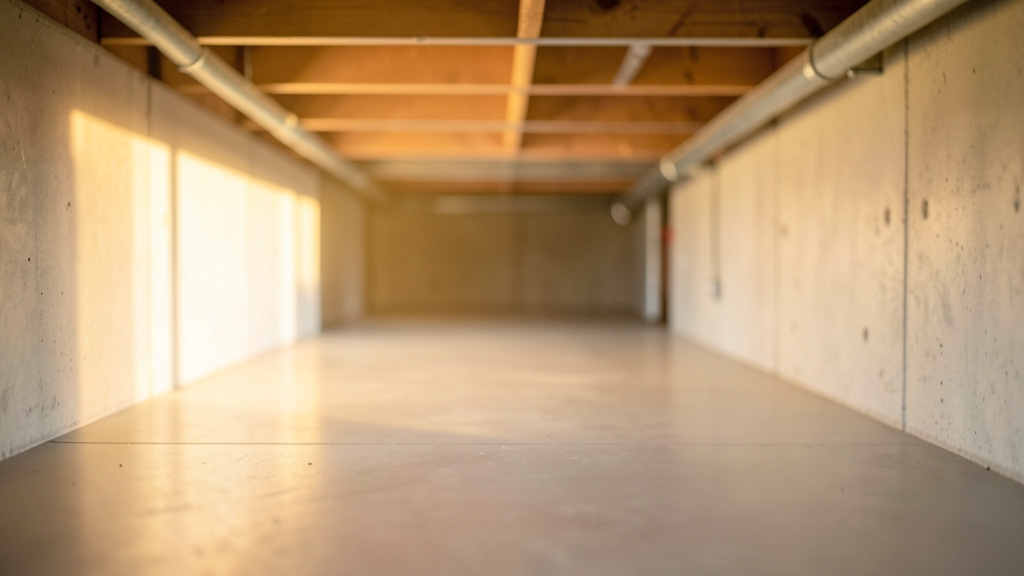
Mold doesn’t wait—and neither should you. In Ardmore’s humid Southern Oklahoma climate, even minor moisture can spiral into a full-blown infestation within days. We’ve seen firsthand how quick action slashes remediation costs and spares homeowners from structural and health nightmares.
How Mold Spreads in Ardmore’s Humid Climate
Ardmore’s warm, moist air—especially in spring and summer—creates the perfect breeding ground for mold. Spores thrive on organic materials like drywall, wood, and insulation, often hidden behind walls or under flooring.
Without intervention, colonies can double in size every 24–48 hours. By the time you see or smell it, the damage is already widespread.
The Hidden Costs of Delaying Mold Remediation
Ignoring mold leads to more than just unsightly stains. Structural wood can rot, drywall may need full replacement, and HVAC systems can spread spores throughout your home.
Health costs add up too. Prolonged exposure to mycotoxins from species like Stachybotrys (black mold) or Aspergillus can trigger respiratory issues, allergies, and even neurological symptoms.
Early Signs You Need a Mold Inspection
Musty odors are the most common red flag—even if you don’t see mold. Other signs include water stains, peeling paint, or warped baseboards, especially after leaks or flooding.
In attics or crawl spaces, look for dark spots on rafters or joists. These areas often harbor hidden growth due to poor ventilation or roof leaks.
When to Call for a Mold Inspection
- Persistent musty smells in any room
- Visible mold growth (even small patches)
- Recent water damage or plumbing leaks
- Unexplained allergy symptoms indoors
- High humidity or condensation on windows
Mold Testing vs. Inspection: What Ardmore Homeowners Need
A mold inspection visually assesses the problem, while testing identifies the type and concentration of spores. Air quality testing is critical if you suspect HVAC contamination or hidden growth.
For homes in Gene Autry or Lone Grove with older plumbing, we often recommend both. Testing confirms whether remediation is necessary and guides our approach.
| Aspect | Mold Inspection | Mold Testing |
|---|---|---|
| Purpose | Locate visible and hidden mold | Identify mold types and spore counts |
| Tools Used | Moisture meters, thermal imaging, borescopes | Air pumps, swabs, lab analysis |
| Best For | Initial assessment, leak detection | Confirming contamination, post-remediation verification |
| Time Required | 1–2 hours | 2–5 days (includes lab results) |
Why DIY Mold Removal Often Backfires
Bleach and scrubbing might remove surface mold, but it doesn’t address the root moisture issue—or spores lurking in porous materials. Improper cleaning can also release more spores into the air.
Without containment barriers and HEPA filtration, DIY efforts often spread the problem further. We’ve seen well-intentioned homeowners turn a small bathroom issue into a whole-house contamination.
Disturbing mold without proper PPE and containment can aerosolize spores, worsening the infestation. Always isolate the area first.
Our Professional Mold Remediation Process
We start with containment to prevent spores from spreading. Negative air pressure and physical barriers isolate the affected area during removal.
Next, we use HEPA vacuums and antimicrobial treatments to eliminate mold at the source. For severe cases in crawl spaces or basements, we may recommend encapsulation or improved ventilation.
Finally, we address the moisture source—whether it’s a leaky pipe, poor drainage, or high humidity—to prevent recurrence.
Preventing Mold in Ardmore’s Older Homes
Many Ardmore homes, especially in historic neighborhoods, lack modern moisture barriers. Upgrading insulation, sealing crawl spaces, and installing dehumidifiers can drastically reduce risk.
Regular HVAC maintenance is key too. Dirty ducts or clogged filters can circulate spores. We also advise annual attic and basement checks, particularly before the rainy season.
Keep indoor humidity below 50% with dehumidifiers, especially in bathrooms and basements. Ventilate high-moisture areas directly outside.
Commercial Mold Remediation: Protecting Ardmore Businesses
Mold in commercial spaces—like offices, schools, or retail stores—can lead to liability issues, lost revenue, and employee health complaints. We tailor remediation plans to minimize downtime.
For businesses in Healdton or Marietta, we often coordinate with property managers to address large-scale water damage or HVAC contamination quickly.
How to Respond to a Mold Discovery
Acting fast can limit the damage and cost.
- 1Isolate the Area
Close doors and turn off HVAC systems to prevent spores from spreading. Avoid disturbing the mold.
- 2Identify the Moisture Source
Check for leaks, condensation, or high humidity. Fixing the source is critical to prevent regrowth.
- 3Contact a Professional
Call for a mold inspection and testing. We’ll assess the extent and type of mold to determine the safest remediation approach.
- 4Avoid DIY Cleanup
Resist the urge to scrub or bleach the area. Improper handling can worsen the problem and expose you to harmful spores.
- 5Request a quote
Costs vary based on the size of the infestation, materials affected, and accessibility. We’ll provide a detailed estimate after assessment.
Frequently Asked Questions
How quickly can mold grow after water damage in Ardmore?
Mold can begin growing within 24–48 hours of water exposure, especially in Ardmore’s humid climate. Immediate drying and professional assessment are critical to prevent colonization.
Is black mold more dangerous than other types?
Black mold (Stachybotrys) produces mycotoxins that can cause severe health effects, but all mold should be treated seriously. The CDC advises removing any mold growth, regardless of type.
Can mold return after remediation?
Yes, if the moisture source isn’t addressed. Our team always identifies and fixes the root cause—whether it’s a leak, poor ventilation, or high humidity—to prevent recurrence.
Do I need to leave my home during mold remediation?
For small, contained areas, you may not need to relocate. However, large infestations—especially in living spaces—often require temporary evacuation for safety during cleanup.
What’s the difference between mold removal and mold remediation?
Mold removal refers to eliminating visible mold, while remediation includes removal, cleaning, and addressing the moisture source to prevent future growth. Remediation is the comprehensive solution.
How do I know if my Ardmore home’s air quality is affected by mold?
Signs include musty odors, visible mold, or health symptoms like coughing, sneezing, or headaches that improve when you’re away. Air quality testing can confirm spore levels and types.